
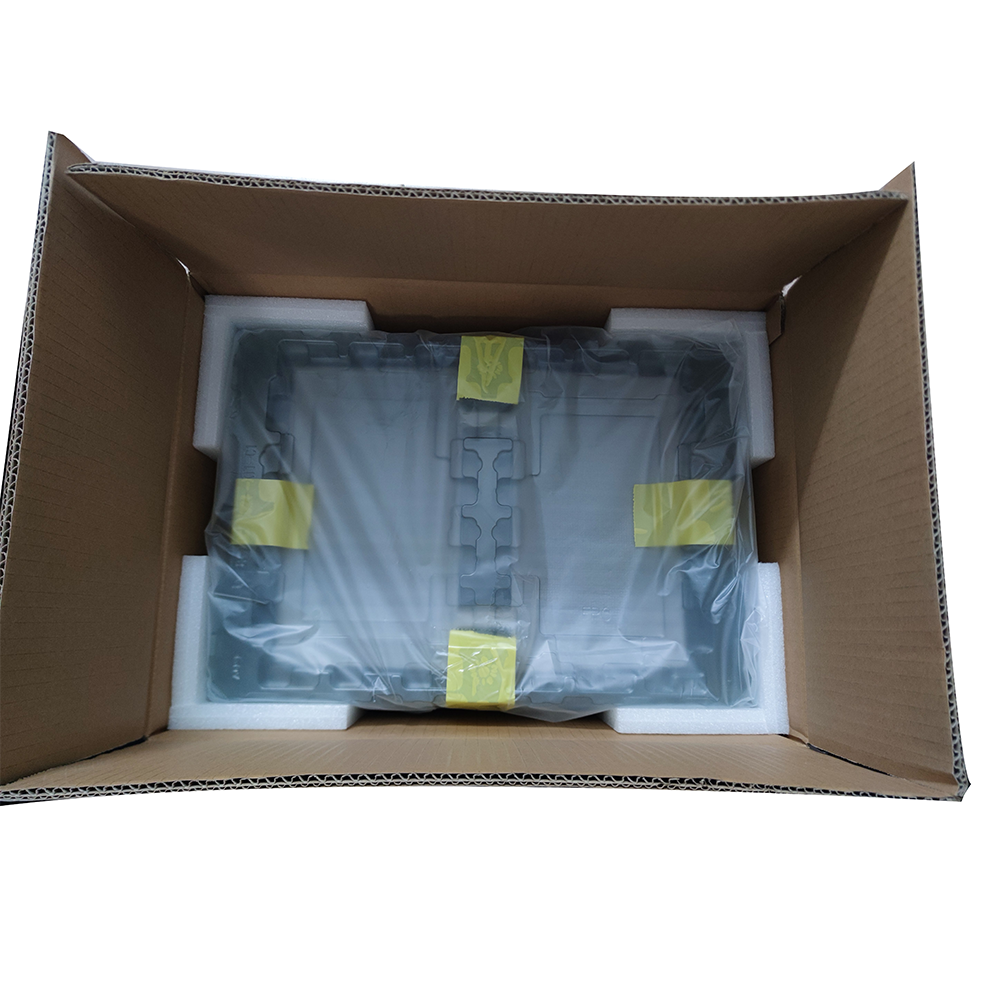
Brand: AUO
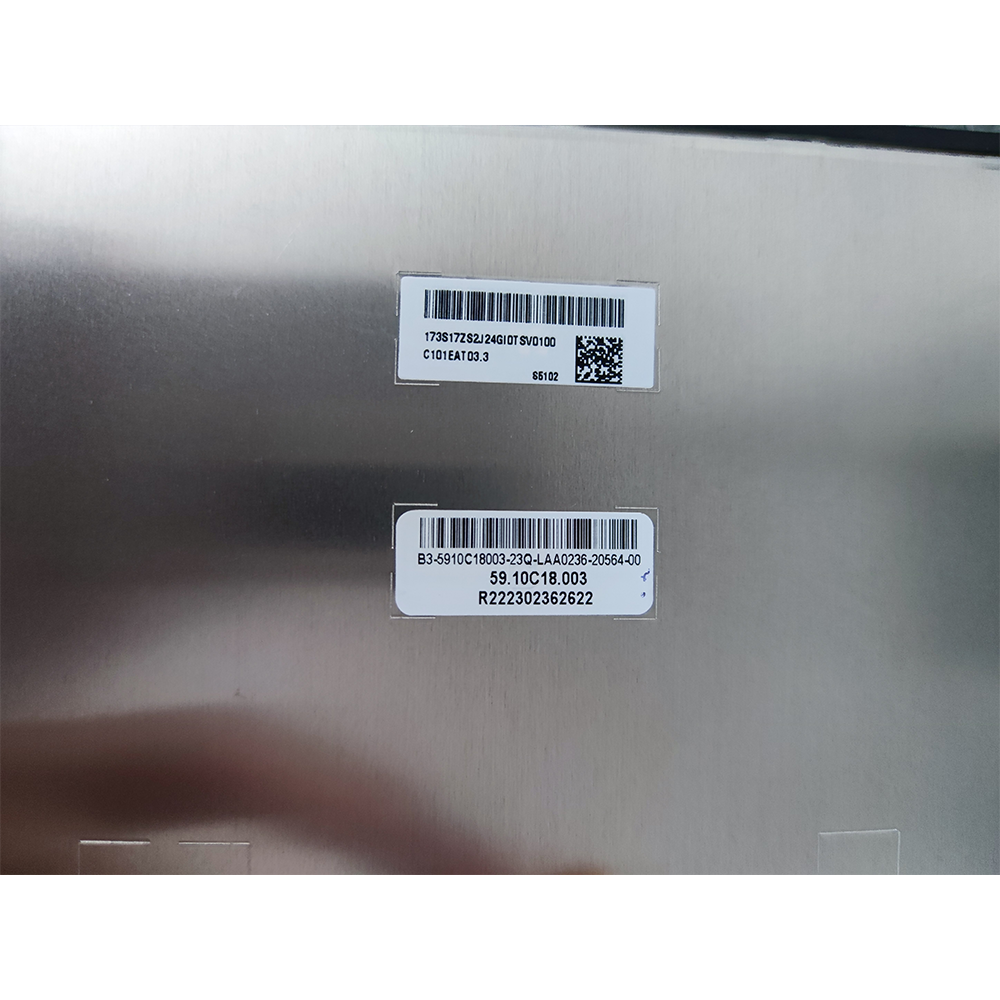
Model Number: C101EAT03.3
Resolution: 1280X720
View angel: 80/80/80/80
Interface: LVDS
Brightness: 500nits
Application: Automotive, Industrial, Security, Medical
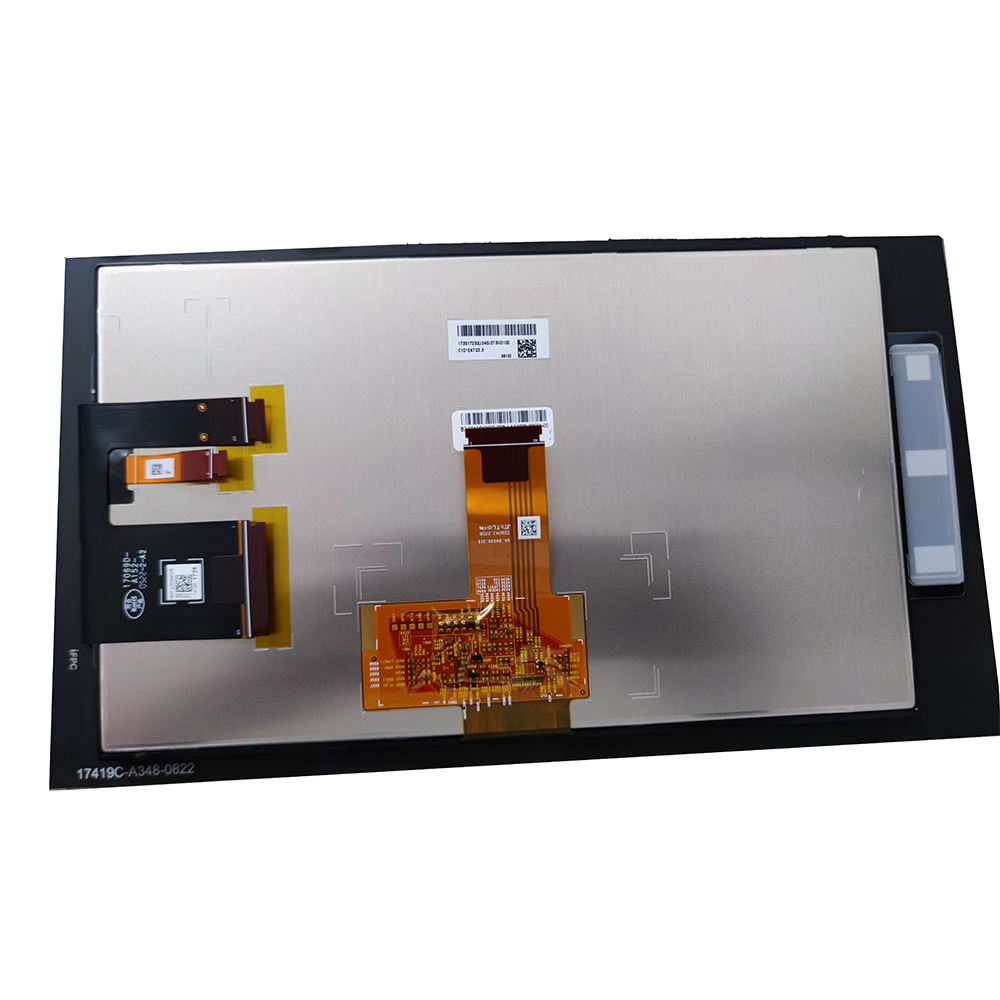
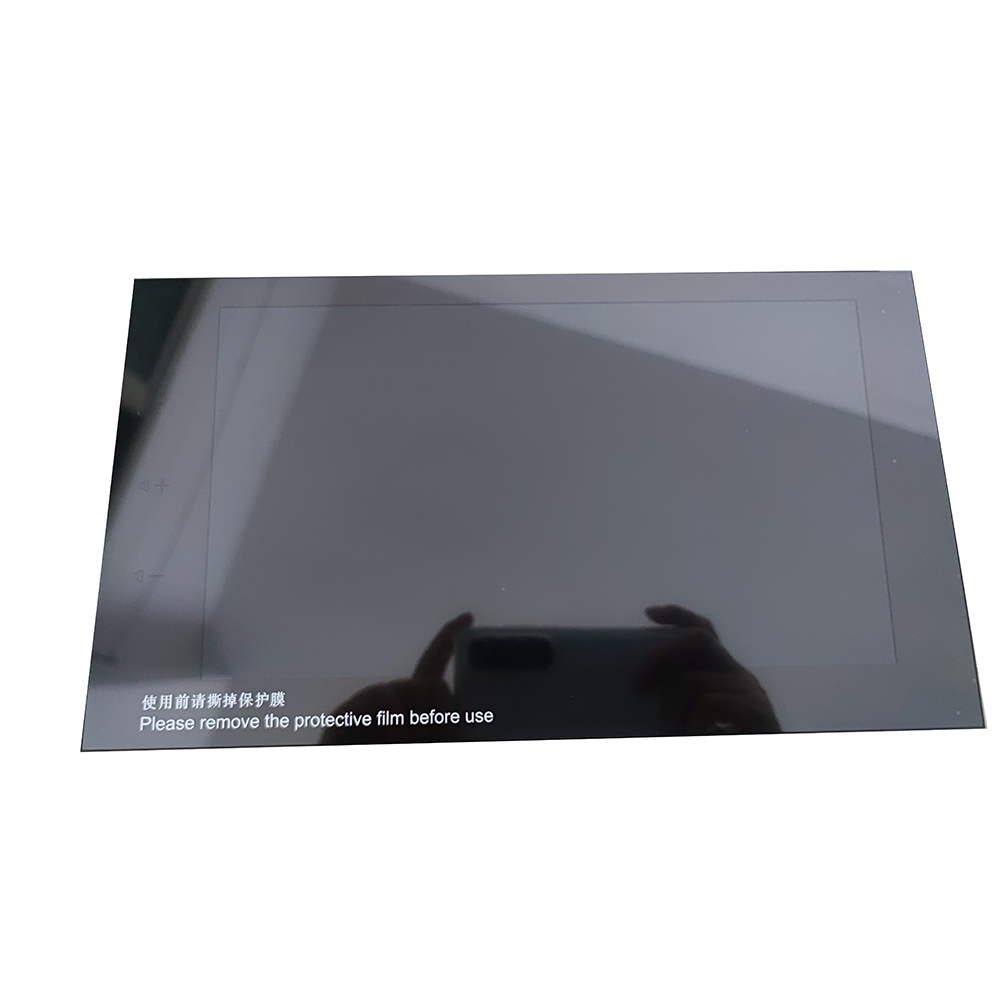
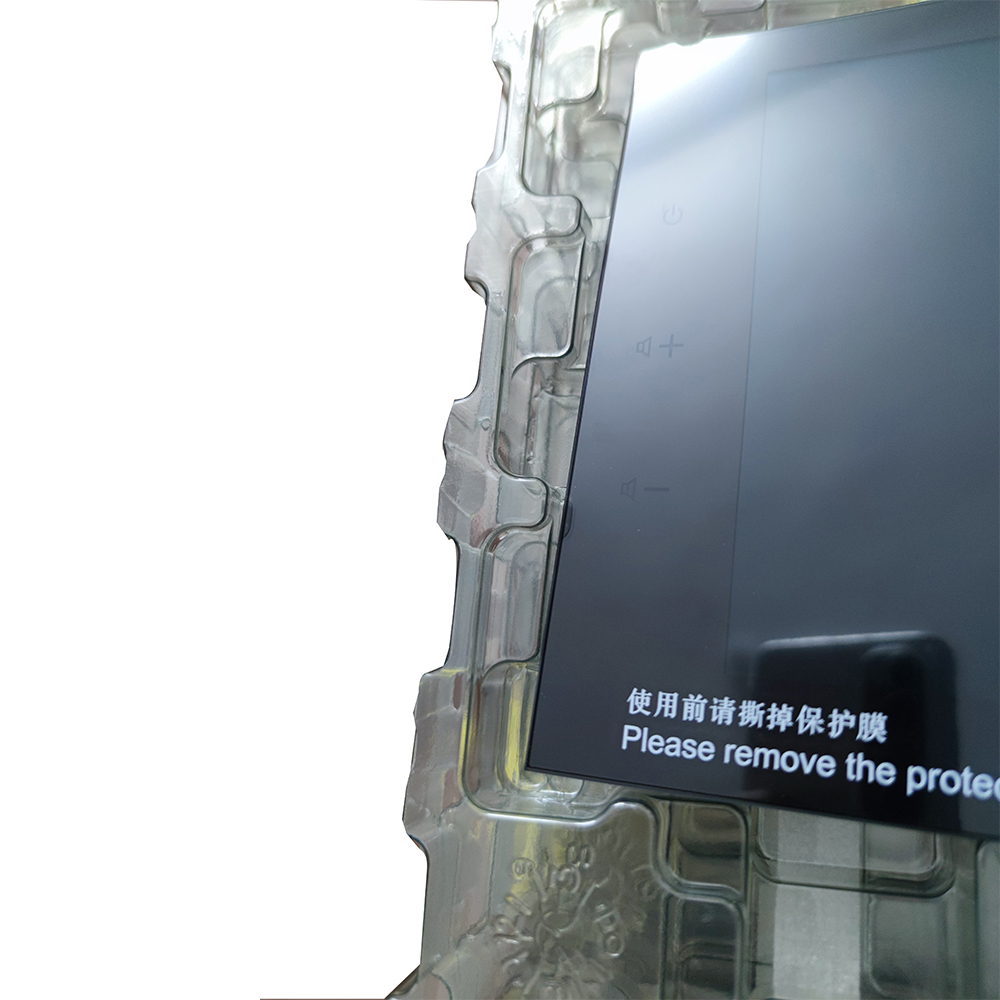
Product Overview: C101EAT03.3 10.1-inch LCD Module
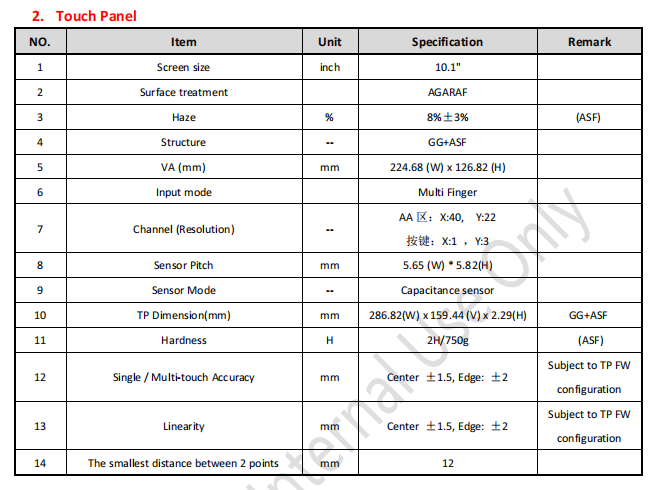
The C101EAT03.3 is an original 10.1-inch LCD module manufactured by AUO (AU Optronics). Specifically, it utilizes a-Si TFT-LCD technology and additionally features a projected capacitive touchscreen. Consequently, thanks to its wide operating temperature range and robust construction, this model is expertly designed for demanding environments. Ultimately, these combined features ensure reliable performance under challenging conditions.
Detailed Technical Specifications
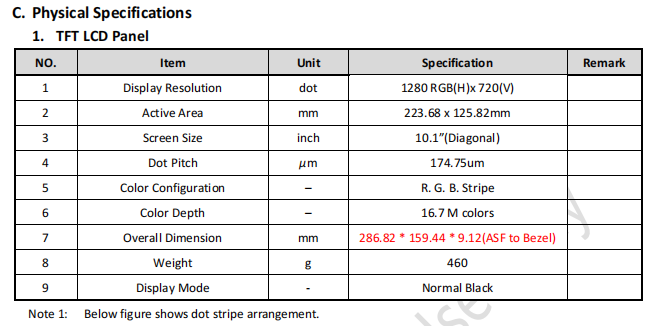
This module boasts a display resolution of 1280(RGB) × 720 (WXGA) with a 16:9 aspect ratio. Furthermore, it offers a high brightness of 500 nits and a wide viewing angle of 80/80/80/80, thereby delivering clear and consistent visuals. Regarding physical dimensions, its active display area measures 223.68 × 125.82 mm.
Core Interface and Operational Parameters
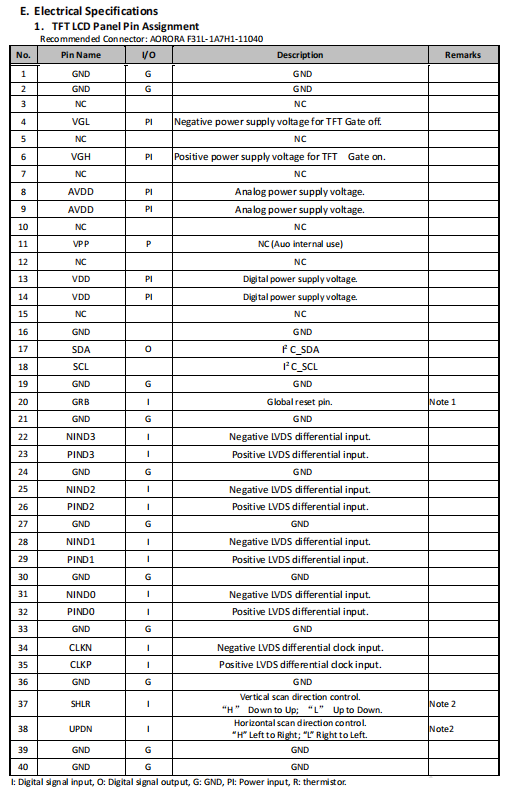
The module employs an LVDS (1 channel, 8-bit) + SPI signal interface via a 40-pin FPC connector. For its light source, it uses an edge-lit WLED backlight in an 8S2P configuration, which has a lifespan of 10,000 hours. Importantly, this unit does not include an integrated backlight driver. Moreover, its typical driving voltages are 3.3V (VDD), 13.5V (VDDA), 18V (VGH), and -8V (VGL).
Durability and Target Applications
Built for high reliability, the C101EAT03.3 operates within a temperature range of -30°C to 85°C. Simultaneously, it can withstand vibrations up to 2.9G. Therefore, it is not only ideally suited for automotive display applications but also well-adapted for industrial, security, and medical uses. In terms of surface treatment, it features a matte finish with a Hard coating of 2H hardness.
Production Status and Procurement Recommendations
According to available data, this product entered mass production in Q1 2022. However, its production status was listed as discontinued by Q2 2024. to ensure access to the most accurate information regarding product availability and the latest technical specifications, we strongly recommend contacting AUO directly or consulting an authorized distributor.
Understanding “Original LCD Module”
An “Original Module” from a brand like AUO represents the complete, factory-sealed core display component. Crucially, it is essential to distinguish this from a bare glass panel or a third-party assembly.
Core Components of an Original Module
This integrated unit typically consists of four key parts:
-
LCD Glass Panel: This is the core layer that generates the image.
-
Driver ICs and Control Board: Acting as the “brain,” it receives signals and precisely controls each pixel on the glass.
-
Backlight Unit: This system provides uniform brightness across the entire screen.
-
Metal Frame / Chassis: This rigid structure holds all components in precise alignment.
Ultimately, the original manufacturer assembles and calibrates all these parts into a single certified unit.
Advantages of Choosing an Original Module
Selecting an original module guarantees several key benefits. First, it ensures the display meets the brand’s certified performance and quality standards. Second, it provides perfect compatibility between the panel and its drivers, thereby eliminating issues such as flickering or dead pixels. Third, it offers greater reliability and a longer lifespan for commercial applications. Finally, it comes with direct warranty coverage and technical support from the manufacturer.
Clarifying Terminology: Original Modules vs. Other Types
An “Original Module” differs significantly from other options available on the market. For example, a “Bare Glass Panel” lacks the essential driver board and backlight system, thus rendering it incomplete for most applications. In contrast, “Compatible” or “Refurbished” modules are typically assembled by third parties using non-original components; as a result, their quality and longevity are often unpredictable and generally inferior. In summary, choosing an original module is a key decision for ensuring both display performance and system-level reliability.