
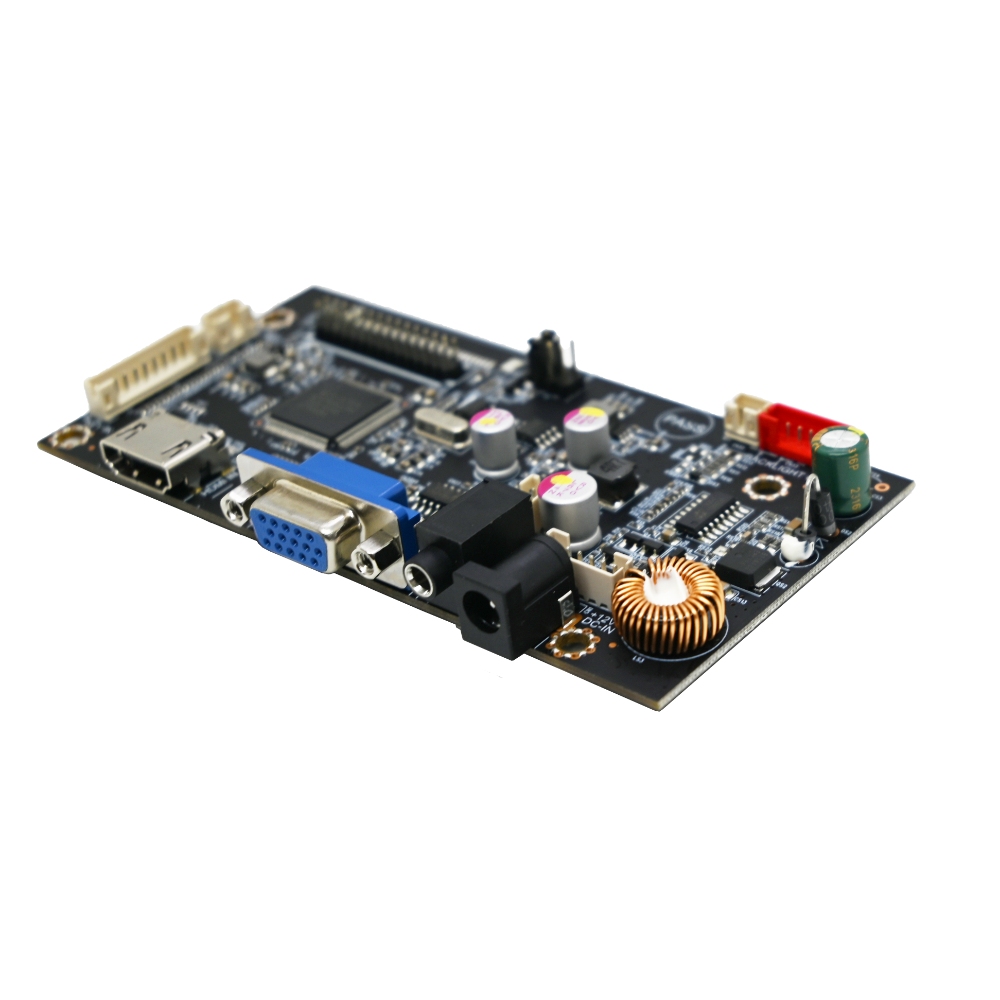
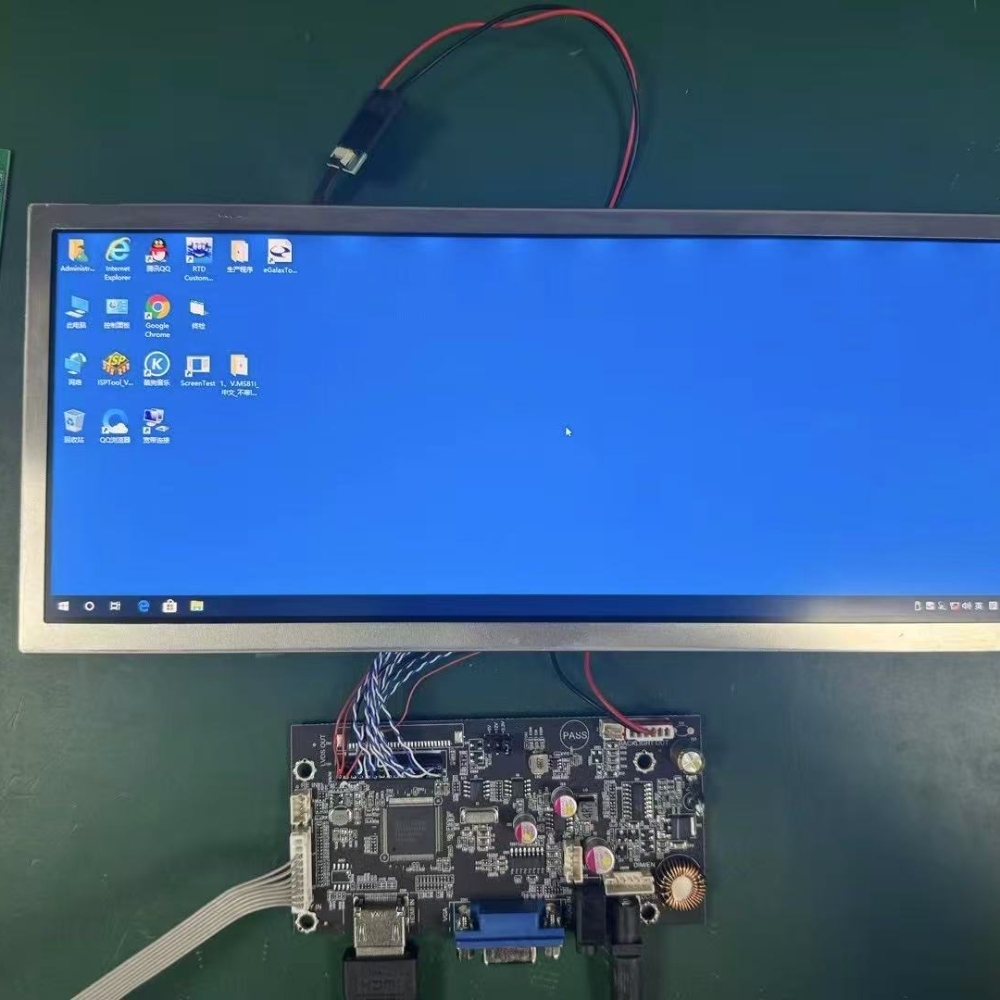
HDMI VGA Driver Board For LVDS Display Systems
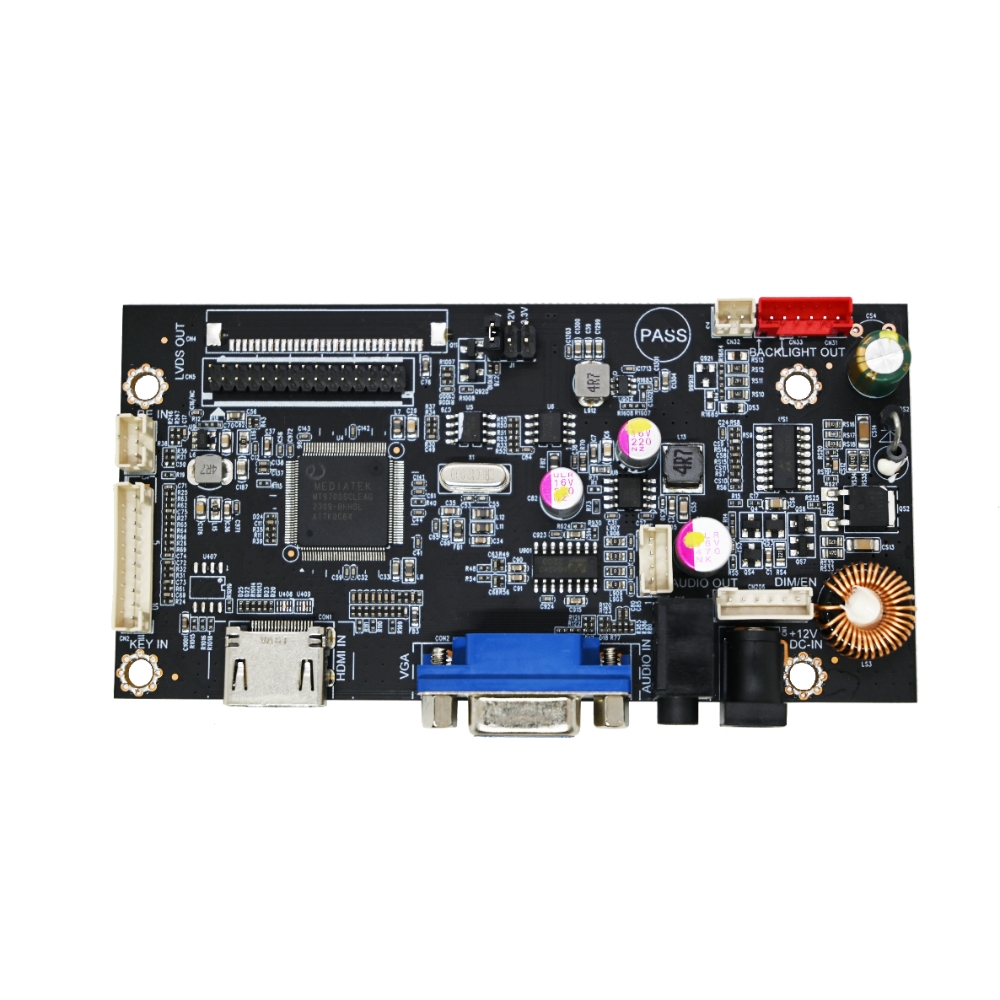
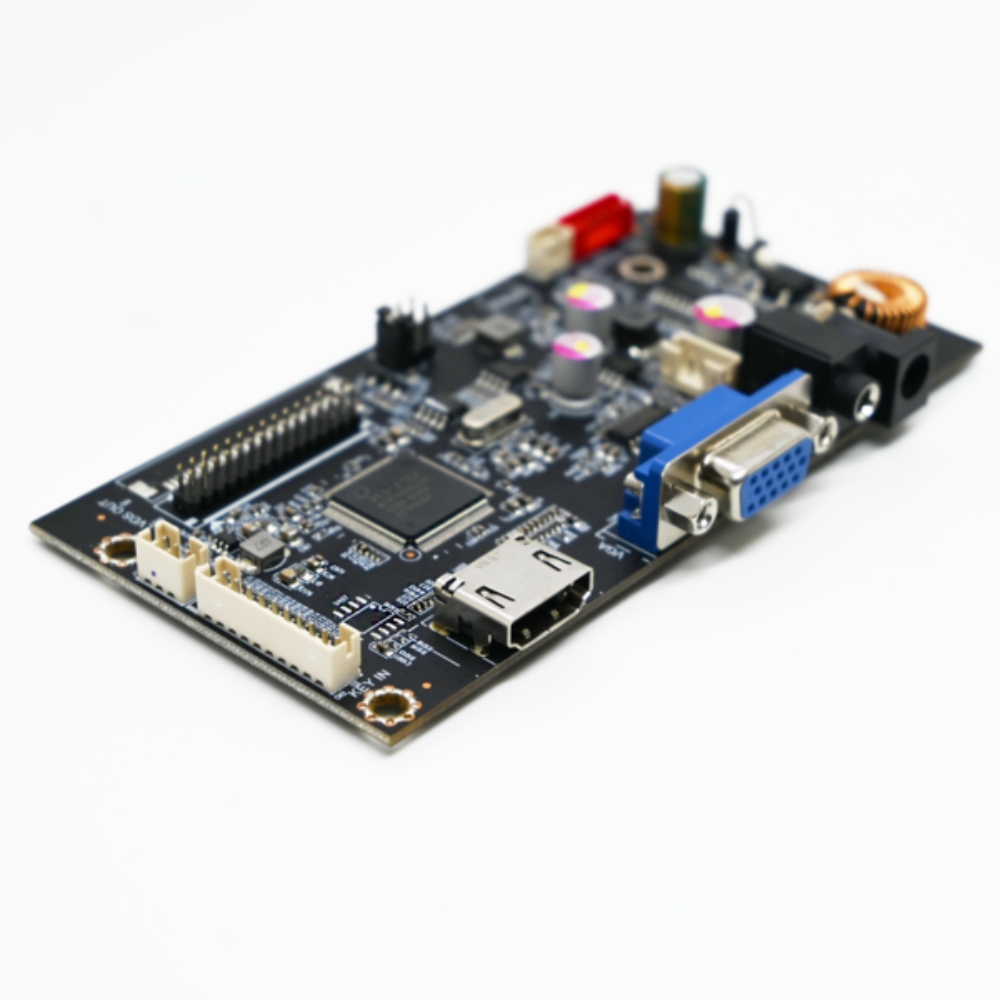
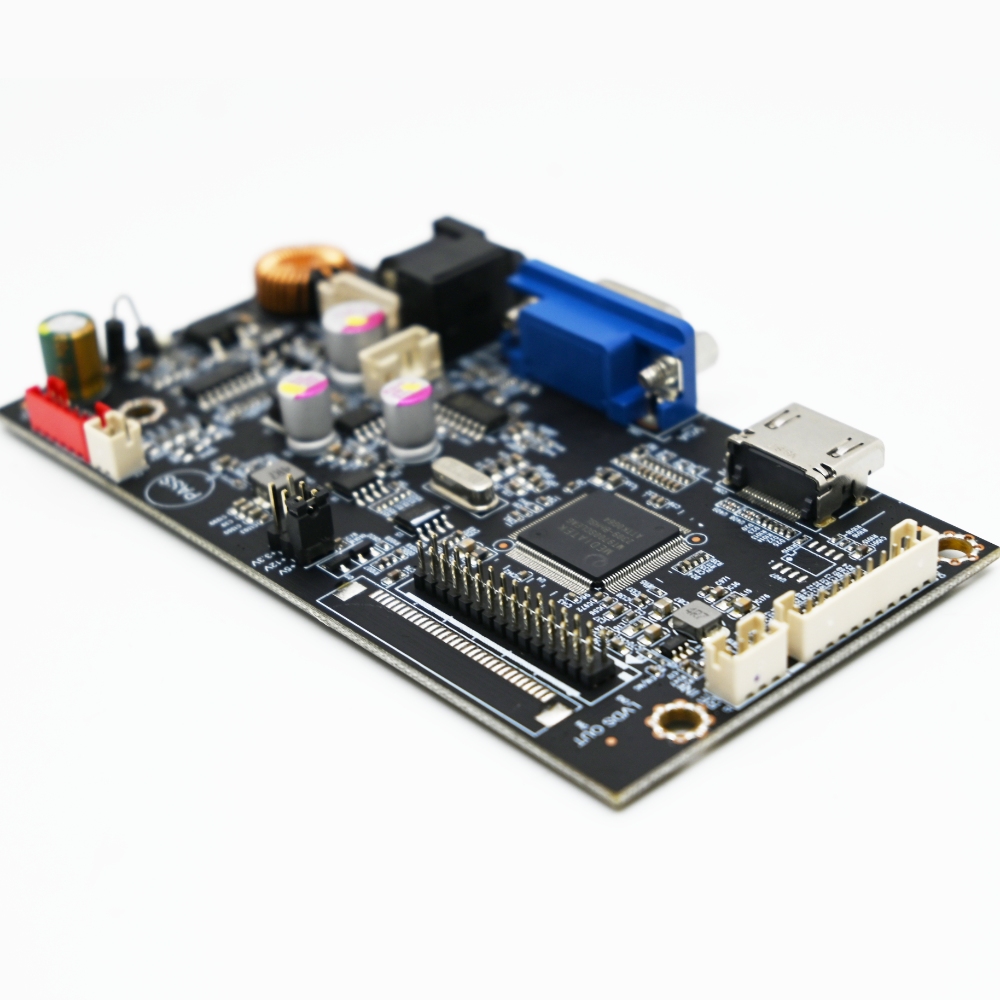
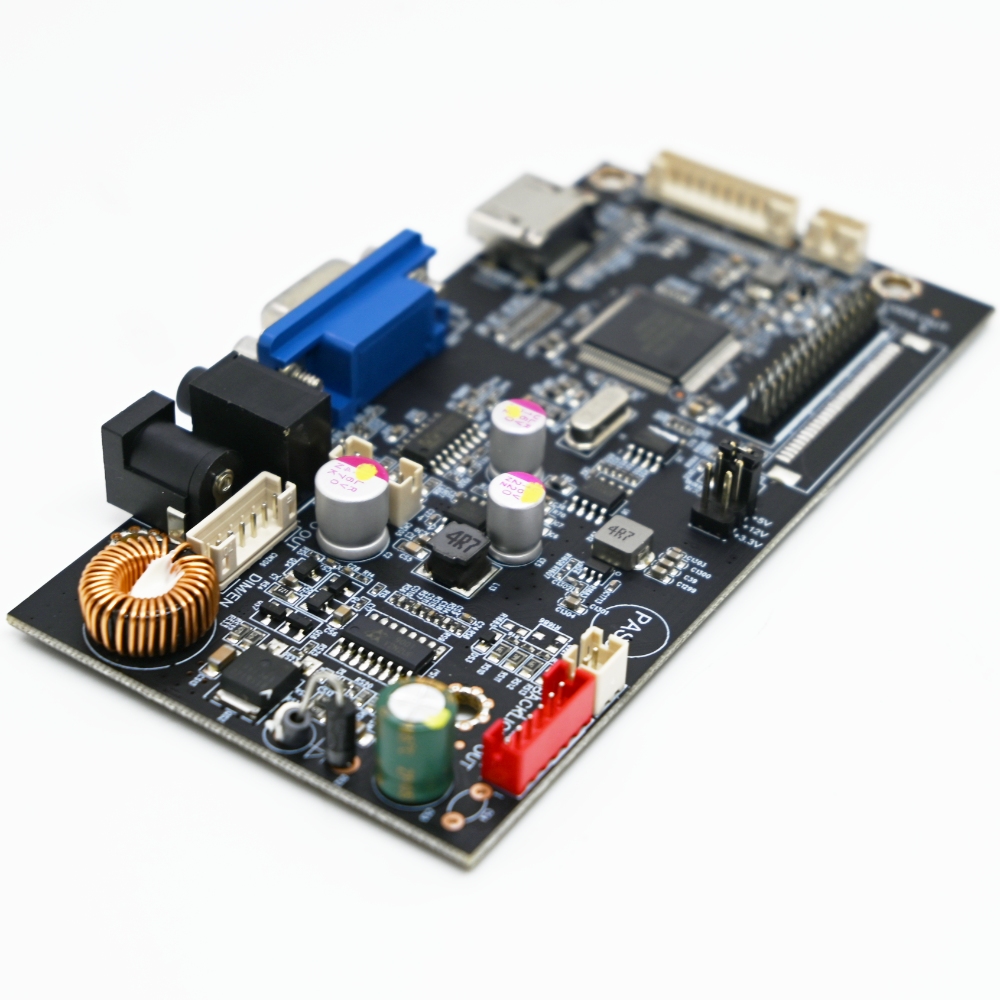
LVDS LCD driver board projects often need stable signal input, straightforward panel matching, and reliable operation in industrial environments. F58FB uses a mature Mstar driver IC system, supports LVDS output, and accepts HDMI, VGA, and DC input. Its maximum resolution support reaches Full HD display requirements, making it suitable for industrial monitors, embedded displays, equipment screens, and repair assemblies.
HDMI And VGA Input For Mixed Source Devices
Many display systems still need both new and legacy signal support. HDMI works with current media devices, computers, and embedded boards, while VGA can support older industrial equipment. This makes the board practical for replacement projects and mixed-device environments.
Key product points include:
- Part number: F58FB
- Driver IC: Mstar
- Maximum resolution: Full HD LCD / LED display
- Refresh rate: 60-75Hz
- Color support: 32BIT
- Input interface: HDMI / VGA / DC
12V Power And LVDS Panel Output
F58FB uses DC 12V power and supports display voltage options of 3.3V, 5V, and 12V. Since LVDS panels vary by voltage, cable pinout, and signal format, matching work should happen before power-on testing.
Industrial Temperature And Assembly Review
The referenced operating temperature range is -20℃ to 75℃, with storage from -20℃ to 80℃. FaceLCD can help check whether the LVDS LCD driver board matches the panel model, LVDS cable, voltage setting, backlight requirements, and enclosure space.
FAQ
What Input Signals Does F58FB Support?
It supports HDMI, VGA, and DC input.
What Display Interface Does This Board Use?
It outputs LVDS signal for compatible LCD modules.
What Driver IC Does It Use?
It uses a mature Mstar driver IC system.
What Is The Operating Temperature Range?
The referenced operating temperature range is -20℃ to 75℃.
Can It Support Full HD LCD Panels?
Yes. It supports Full HD LCD / LED display projects when matched with the correct LVDS panel and cable.
Can FaceLCD Help Configure The Board?
Yes. FaceLCD can review panel voltage, LVDS cable, resolution, input source, backlight needs, and sample setup.