
FaceLCD Hong Kong Limited
Tel: +8615818692944
E-mail: sales@facelcd.com
Address: 13F, Buiding B, Colorful Tech Park, Guanlan High tech park, Longhua Dist, Shenzhen,China ZIP code 518100
You are here: Home > Technology >
The 5-inch LCD is a preferred option in embedded systems where size and readability of the display need to be optimized. In the hierarchy of display sizes, it sits in between the really small hand-held displays and the really big fixed displays. The LCD is big enough to support graphical displays, touch interfaces, and dynamic data displays, and is still easily integrated into a display that is constrained for size.
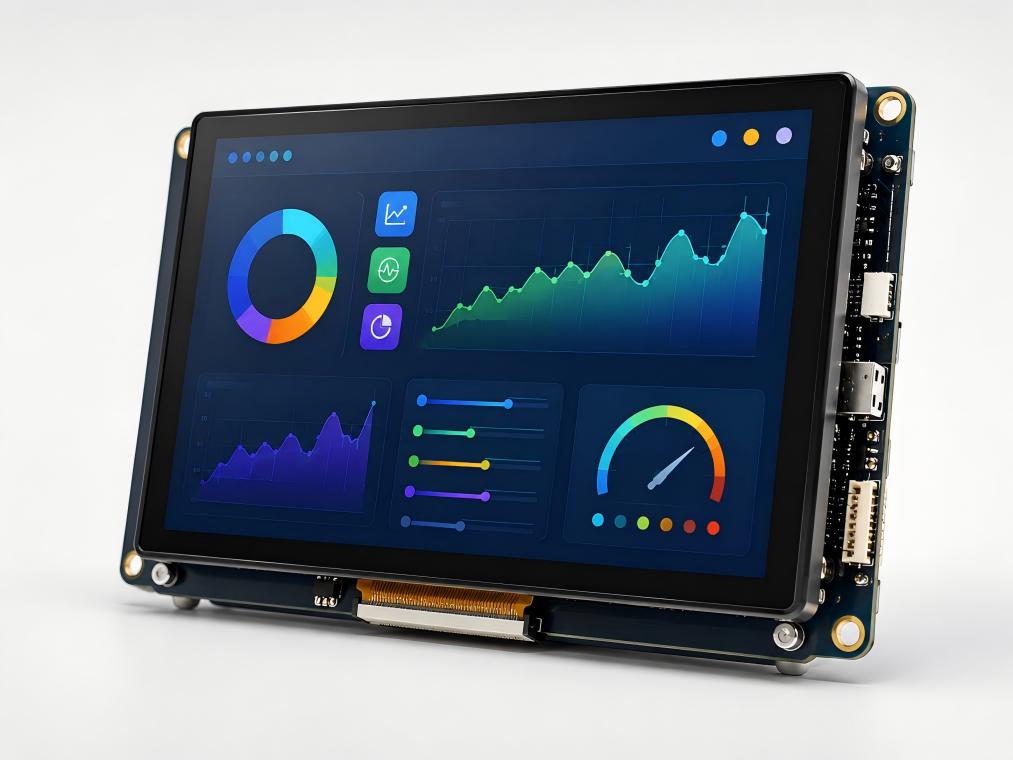
When designing industrial equipment, medical devices, smart control terminals, and portable devices, a 5-inch display may offer the best access, variety, and ease of design.
The 5-inch display is the size of modern mobile device displays, so it offers the same user experience, while providing the design flexibility needed for industrial applications, so it is the preferred display size.
A 5 inch LCD can display messages, status and control in a very compact display. This allows the designer to include additional components.
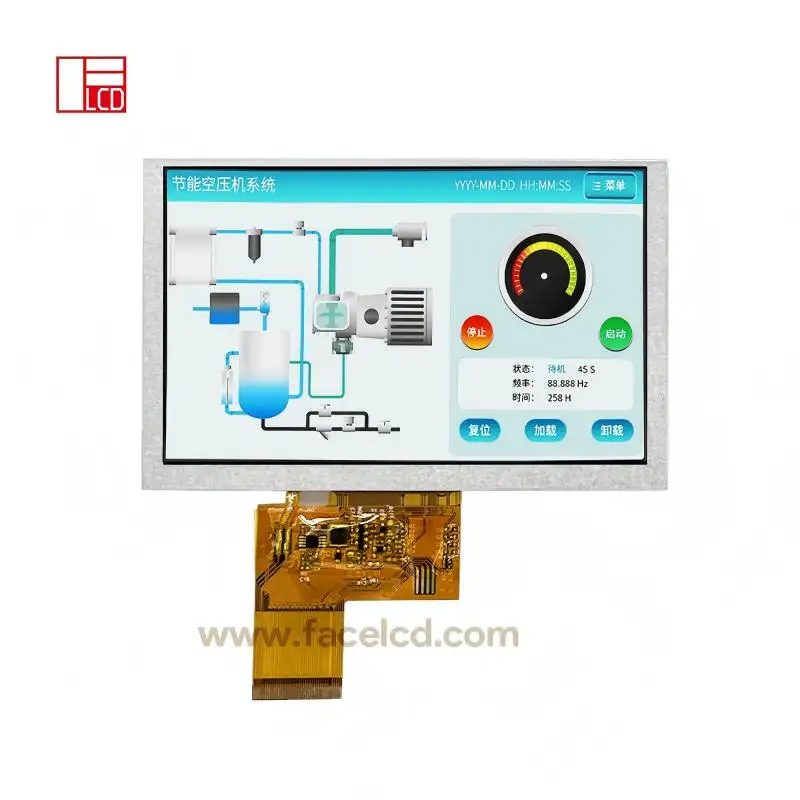
A touch display can have a significantly large display area, which reduces mistakes in touch interface.
Most applications can accommodate either a landscape or portrait display. In either case, the wide format touch display is the preferred design.
While the requirements for displays are application specific, the range and type of the 5 inch LCD can be somewhat predefined.
Panels manufactured with IPS TFT technology exhibit consistent color reproduction and wide viewing angles. These characteristics make IPS TFT technology a compelling choice for both industrial and commercial applications. This is particularly the case for devices that are viewed from a variety of locations, including wall-mounted control panels, medical devices, and industrial terminals.
Most IPS TFT panels achieve viewing angles of 80° or more in all directions, which is critical for maintaining image consistency when the user is not directly in front of the display.
When developing a product, the appropriate interface must be selected. A TTL/RGB parallel interface is common among embedded systems and interfaces with multiple microcontrollers (MCUs) and processors.
Engineers pay attention to the:
•Timing for RGB data
•Levels of voltage
•Positioning of FPC connectors
•Signal routing and PCB placement
Checking for the above factors during the early design stages helps to avoid expensive changes during later prototyping phases.
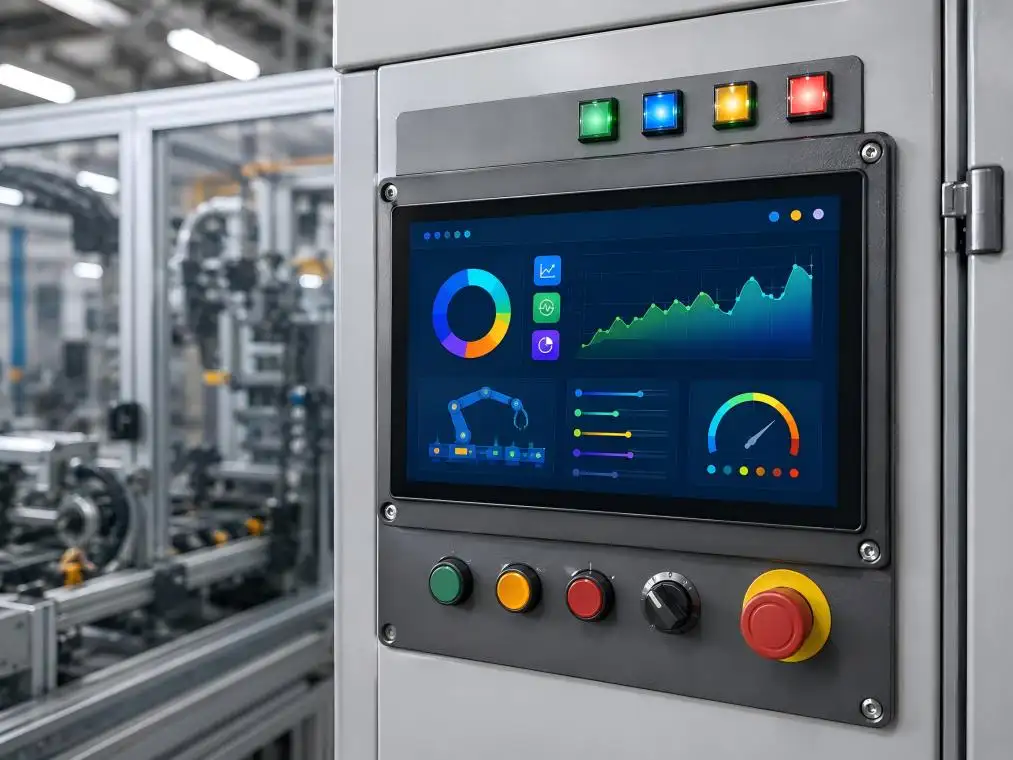
The intended surrounding also affects the design of brightness levels. An internal product can function with a low to average brightness level. A product intended for external use or within an industry may require a significantly higher brightness level.
A good example of a product that considers the above is the high brightness 5-inch LCDscreen with anti-glare treatment or optical bonding. This product would enjoy enhanced readability in high ambient lighting environments with glare, and varying angle of view.
Temperature performance is essential for products intended for industrial and outdoor settings. Many industrial-grade LCD modules have been designed to have a wider temperature range of -20°C to +70°C depending on the type of panel, structure, and components.
A 5 inch LCD in a Control System can display:
•Set point parameters
•Alarm indications
•Status of the process
•Control actions
•Graphs of data variations
Such displays guarantee effective functioning in harsh industrial settings when the proper protective design and related touch control are implemented.
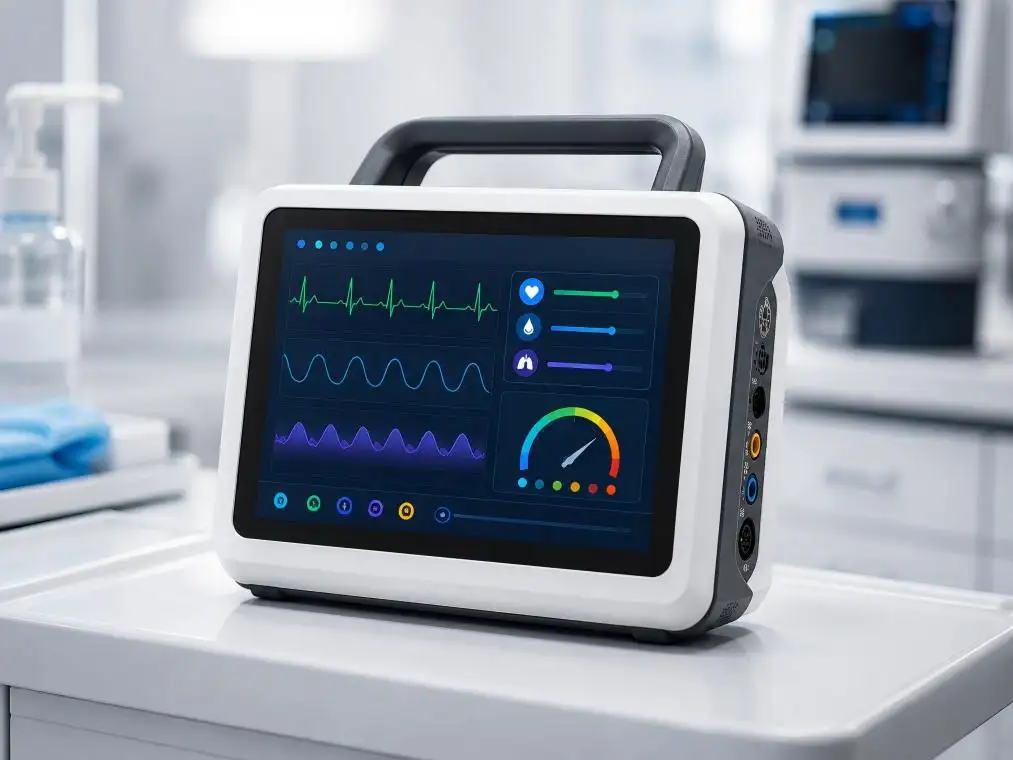
A compact 5 inch LCD is ideal for portable medical and healthcare devices. Its various display capabilities include:
•Data display
•Waveform display
•Device status display
•Battery and operation indicator display
Displays using IPS technology and optical bonding with protective glass provide consistent color accuracy and improved durability with easier cleaning, respectively.
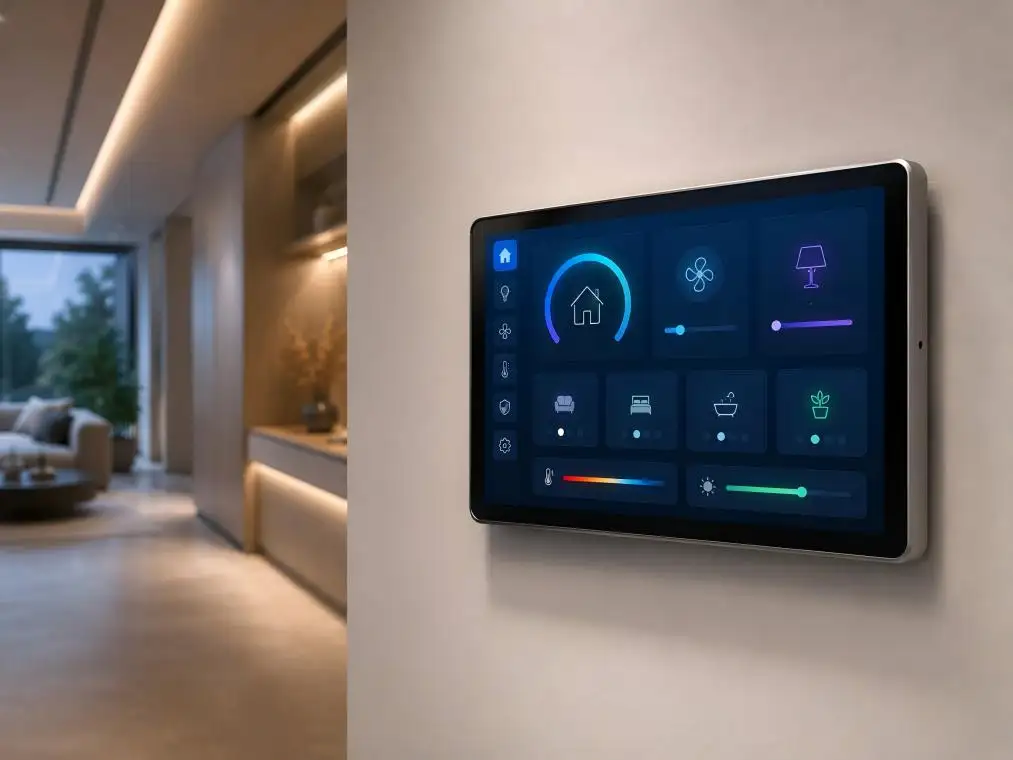
For wall-mounted smart controllers of lighting, HVAC, security, and energy management, we usually see the use of a 5 inch LCD.
Manufacturers can design thin control panels while still having the display be visible from a variety of angles. An always-on interface can be a low-power display for a clock, room control, and status display.
5 inch LCDs are useful for handheld field devices like terminals, inspection devices, and data collectors because of their portability.
Common requirements usually include:
•Readable in an outdoor environment
•Touch capable
•Low powered
•Lightweight
•Easy to design
•Mechanical structure
Extremely bright displays combined with smart lighting for the display help enhance outdoor usability.
FaceLCD has experience in designing small IPS TFT-LCD modules like the 5 inch FB050ESG410-A, which has technology that is commonly required for small-format TFT-LCD display modules.
This module has:
•IPS TFT-LCD
•800x480 resolution
•600 cd/m² brightness
•Anti-glare surface treatment
•40 pin TTL/RGB backlight interface
This module helps provide experience in matching interfaces, optimizing lighting, integrating touch panels, and mechanical design.
For a 5 inch LCD, display engineers and product engineers must collaborate to design the viewing area, connectors, mounts, and ensure electrical design compatibility.
Properly selecting an LCD display extends beyond simple screen size matching. Consider the following factors:
•Brightness requirements
•Viewing angle
•Touch interface
•Communication interface
•Temperature range
•Design-in requirements
A well chosen LCD display can work as a long lasting human machine interface in industrial automation, medical devices, smart devices and portable systems.
Q1. What dimensions do access control systems usually utilize for an LCD screen?
TFT LCD modules of dimensions 2.8 inch, 3.5 inch, 4.3 inch, 5 inch and 7 inch, are most commonly used for terminals of various designs throughout the systems.
Q2. What are the reasons that TFT LCD displays, compared to the other technologies, are the most suitable and widely used for biometric access control devices?
Compared to other technologies, TFT LCD displays are widely preferred because of the combination of fast and responsive, high quality images, customization and integration capabilities.
Q3. For access control display devices, should IPS LCD be preferred over TN LCDs?
Access control display devices should use IPS LCD over TN LCDs due to IPS LCD technology's superiority in wider viewing angles and better color consistency.
Q4. What is the ideal brightness level for an LCD screen for access control?
For indoor use, a brightness to screen ratio of 300 cd/m2 is adequate, while a higher ratio is ideal for outdoor use.
Q5. Is it possible for an LCD screen designed for access control to have a touch function?
Yes, it is possible. Touch integration is a customization option that is available for TFT LCD modules.