0086-15818692944
Contact us

FaceLCD Hong Kong Limited

Tel: +8615818692944

E-mail: sales@facelcd.com

Address: 13F, Buiding B, Colorful Tech Park, Guanlan High tech park, Longhua Dist, Shenzhen,China ZIP code 518100

Technology

You are here: Home > Technology > Why do touchscreens always have a black border?

Why do touchscreens always have a black border?

2026-04-24    Facelcd

When you choose a phone, tablet, laptop, or car display, almost all of them share one common feature: a black border around the screen. Many think it’s just “decoration” or “dated design.”

But the truth is: this is not an aesthetic choice — it is a physical and engineering necessity.
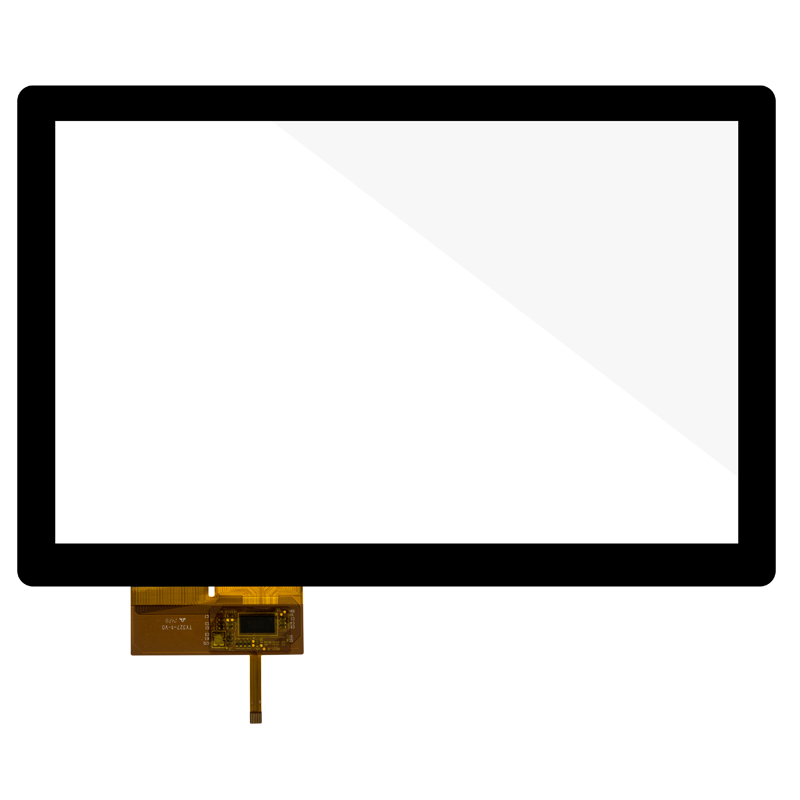
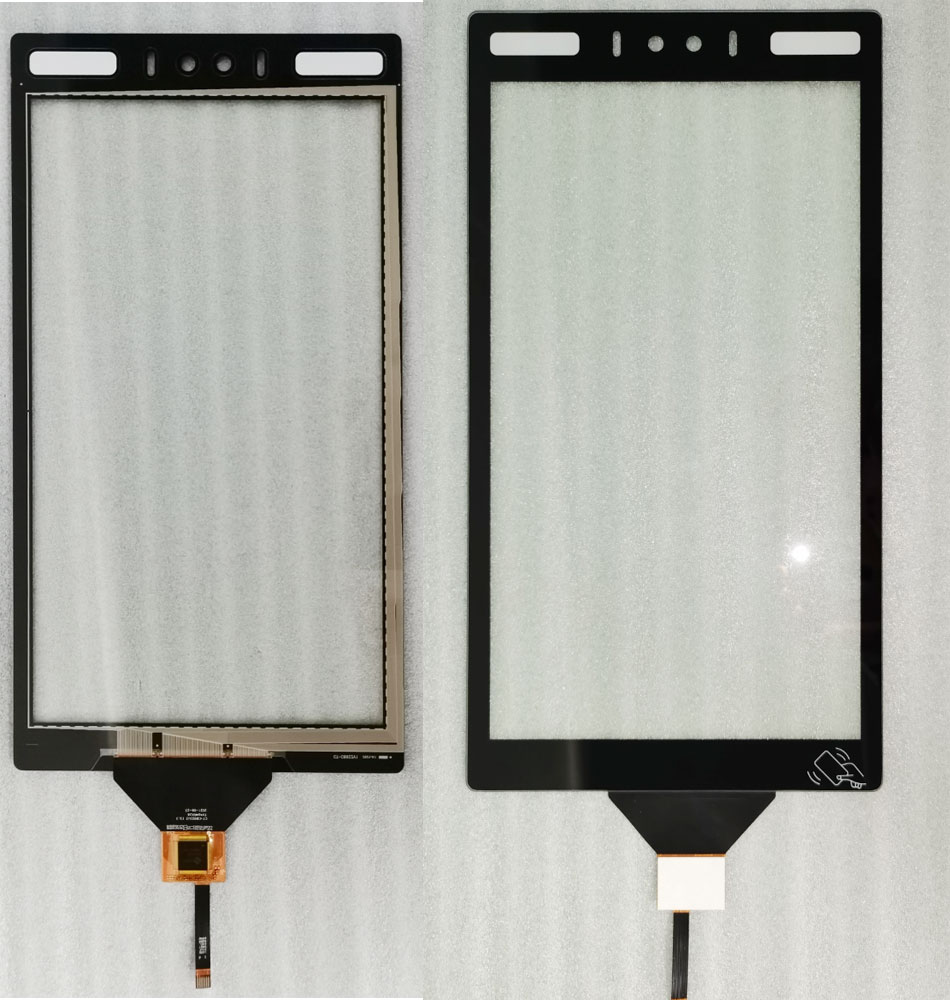
touch screen
touch panel

1. Core Conclusion: The Black Border Is Not “Extra Bezel” but a “Functional Zone”

From an engineering perspective, this black area is called the BM area (Black Matrix layer). It performs at least 5 irreplaceable functions:

  1. Hides internal traces and chips
  2. Prevents light leakage in LCD/OLED panels
  3. Isolates touch and display signal interference
  4. Provides structural sealing and impact resistance
  5. Ensures uniform trace lengths for display driver circuits

Let’s go deeper into each.

2. Deep Dive Driven by High-Search-Intent Questions

🔍 Q1: What Is Actually Hidden Under the Black Border? (High search intent)

Answer:
Beneath the black border are numerous invisible but essential physical structures:

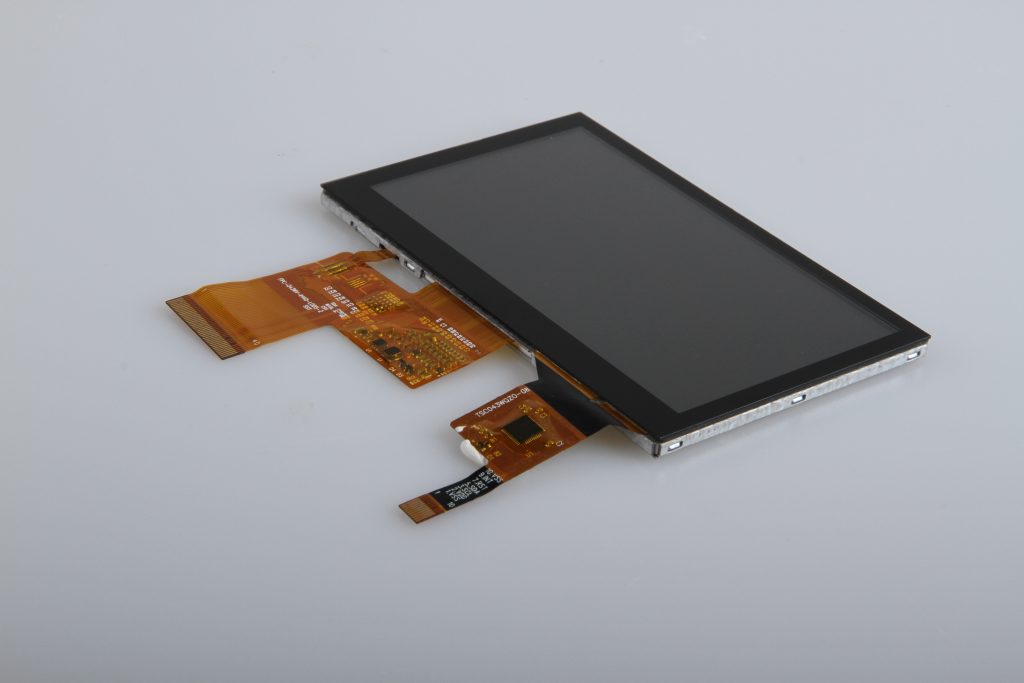
  • Driver ICs (Source/Gate ICs)
    These chips send voltage signals to each pixel. They cannot be placed inside the display area and must sit at the edge.
  • ITO (Indium Tin Oxide) or Copper Traces
    Hundreds of metal lines connect the driver ICs to the touch and display layers. If these entered the visible area, they’d create vertical/horizontal stripes.
  • FPC Connection Points
    The flexible printed circuit connecting the screen to the mainboard must attach under the black border.
  • Sealant & UV Curing Area
    On LCDs, the sealant that encapsulates the liquid crystal is completely hidden by the black border.

  • “The black border isn’t empty — it’s where all the essential functions live, hidden from your eyes.”

🔍 Q2: Why Do Narrow-Bezel Phones Still Have a Black Border? (Real user confusion)

Many users believe “borderless phones” should have no black border. But it still exists. Why?

1. Trace width has physical limits

  • Even with advanced COF (Chip on Film) or COP (Chip on Plastic) packaging, you still need 0.5–1.2mm for signal routing.
  • Minimum trace width/space is limited by lithography precision (~2–3μm in mass production), but the total number of traces determines the required area.

2. Structural stress requires a safety margin
  • A touchscreen is a sandwich of cover glass + touch layer + display layer.
  • The edge is a stress concentration zone. If the black border is too narrow, the screen cracks easily on drop impact.
    >90% of drop damage starts at the edge.

3. Optical refraction can’t be fully eliminated

  • 2.5D / 3D glass can bend visual perception, but physical blocking remains.
  • From an angle, a “micro-border” is always visible.


“Borderless ≠ no black border — it means the black border is hidden beyond your visual limit.”

3. Black Border Differences by Screen Type (High-value comparison)

Screen TypeBorder WidthMain ReasonTypical Devices
LCD (COG)3–5mmDriver IC occupies large bezelLow-end phones, car displays
LCD (COF)1.5–2.5mmIC moved to flexible filmOlder flagship phones
OLED (COP)0.8–1.5mmFlexible substrate bends tracesiPhone, Samsung, Xiaomi flagships
E-Ink5–10mmLarger driver & refresh ICsE-readers


“From 3mm down to 0.8mm — every millimeter of bezel reduction represents a generational leap in packaging technology.”

4. Why Must the Border Be Black? (Often-overlooked detail)
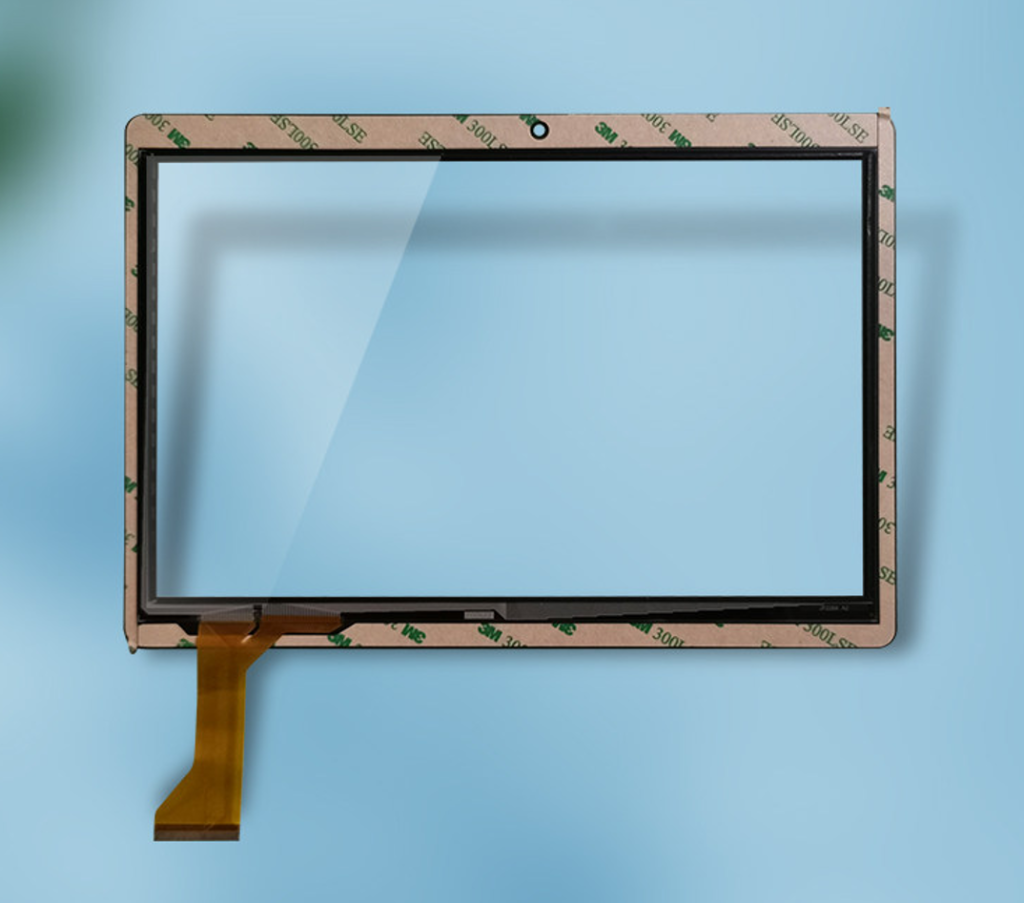
  • Reduces reflections — White or transparent borders reflect backlight and ambient light, ruining the viewing experience.
  • Improves contrast — Black absorbs stray light at the edges, making the display area look “cleaner.”
  • Standardized manufacturing — The black BM layer uses black photosensitive resin, a mature process with high yield.

If you tried making it white: costs double, and the underlying traces remain visible (white ink cannot fully hide them), resulting in a uglier design.

  • Extended User Questions (Long-tail keyword coverage)

 Can the black border ever disappear completely?

Currently impossible, but we can get extremely close to “visual disappearance”:

  • Curved screens — bend the black border to the sides
  • Under-display cameras — do not extend the border, but unrelated to bezel elimination
  • BM-less technology — still in lab stage, requires revolutionary trace materials (carbon nanotubes, transparent conductors)

 Why are iPad black borders wider than phone borders?

  • Grip requirement — fingers need a resting area
  • Larger screen → more driver ICs
  • Lower cost for palm rejection algorithms

Same width, why do some look narrower?

  • Black BM layer matches bezel color → visual extension
  • Rounded R-corners → reduce perceived width
  • Glass refraction → bends edge light

Conclusion

The black border on touchscreens is not a design compromise — it is the result of display technology, packaging engineering, structural mechanics, and human-computer interaction all trading off against each other.

It will never disappear, only grow narrower.
But as long as you use a screen, you will always see it — because it protects every pixel working properly.