
FaceLCD Hong Kong Limited
Tel: +8615818692944
E-mail: sales@facelcd.com
Address: 13F, Buiding B, Colorful Tech Park, Guanlan High tech park, Longhua Dist, Shenzhen,China ZIP code 518100
You are here: Home > Technology >
Title: An In-Depth Technical Guide to Surface Treatment for Capacitive Touch Panel Cover Lenses: Enhancing Functionality, Durability, and Optical Clarity
Meta Description:
Explore advanced surface treatment technologies for capacitive touch panel cover lenses. This comprehensive guide covers anti-glare, anti-fingerprint, anti-smudge, and hardening processes critical for modern touchscreens.
Introduction
In the competitive landscape of interactive electronics, the performance of a capacitive touch panel hinges on the quality and functionality of its outermost component: the cover lens. Also commonly referred to as the cover glass or top glass, this lens is the direct interface between the user and the sophisticated sensor matrix beneath. Its surface characteristics are not merely aesthetic; they fundamentally dictate the device's usability, durability, and visual fidelity. Consequently, surface treatment has evolved from a secondary finishing step into a core engineering discipline within touch panel manufacturing. This article provides a detailed examination of the critical surface treatment technologies deployed for cover lenses, analyzing their chemical and physical principles, implementation processes, and impact on key performance metrics such as optical transparency, abrasion resistance, fingerprint resistance, and touch sensitivity.
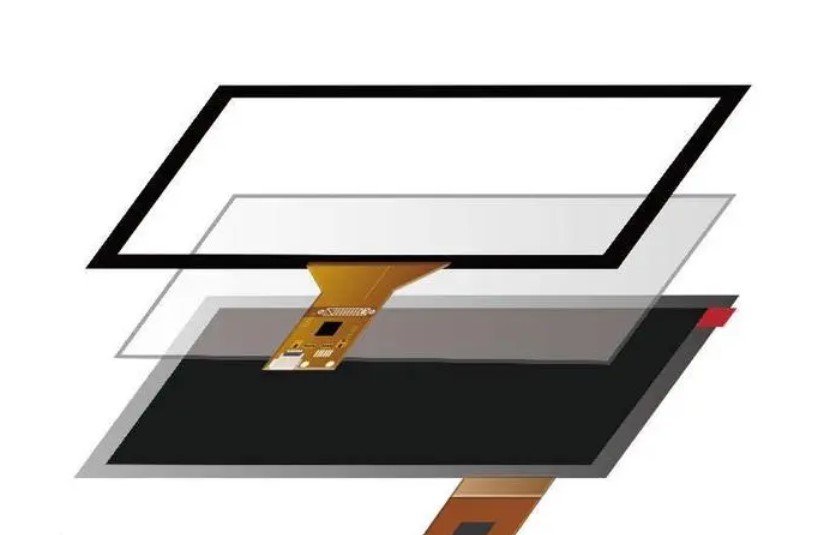
The Critical Role of Surface Treatment in Touch Panel Performance
The untreated surface of a glass or polymer cover lens presents several challenges for a capacitive touchscreen. Firstly, pristine glass exhibits high reflectivity, causing severe glare and light reflection under ambient lighting, which drastically reduces screen readability. Secondly, the smooth surface readily attracts oils and moisture from fingerprints, leading to unsightly fingerprint smudges that degrade optical clarity and necessitate frequent cleaning. Thirdly, despite inherent hardness, glass and especially polymer substrates are susceptible to scratching and abrasion from daily contact with harder objects.
Therefore, we apply specialized surface treatments to engineer the interface. These processes modify the surface energy, surface roughness (at a micro or nano scale), and mechanical hardness of the cover lens. The primary objectives are to: suppress light reflection, mitigate fingerprint adhesion, enhance scratch resistance, and maintain optimal haptic feedback. We achieve these goals through a combination of coating technologies, chemical strengthening, and texturing processes.
Primary Surface Treatment Technologies and Methodologies
We categorize the principal surface treatments for capacitive touch panel cover lenses into four interconnected domains: Anti-Glare (AG) Treatment, Anti-Fingerprint (AF) / Anti-Smudge (AS) Coating, Surface Hardening, and Anti-Reflective (AR) Coatings. Often, we combine these in a multi-layer stack to deliver a composite performance profile.
1. Anti-Glare (AG) Surface Treatment: Diffusing Reflected Light
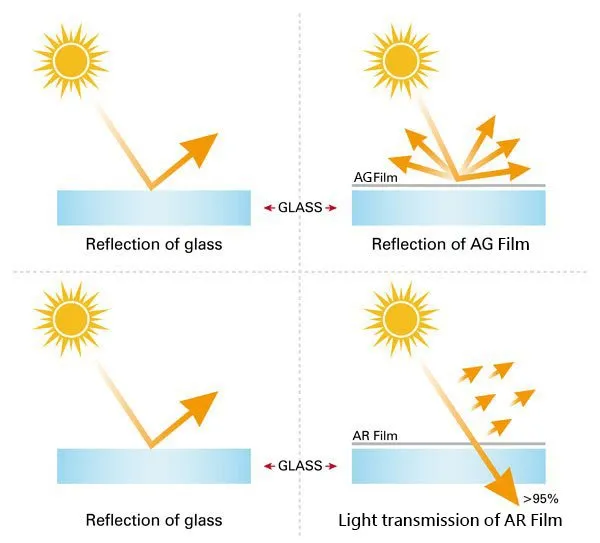
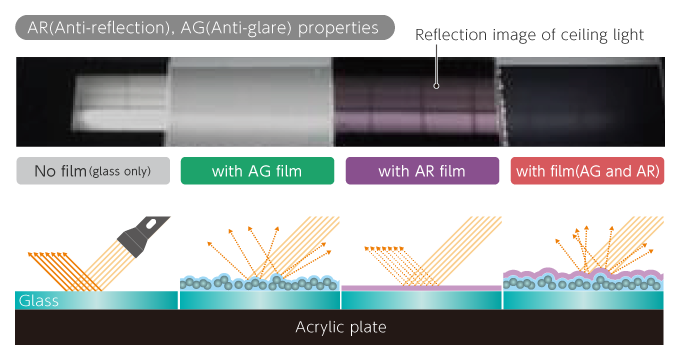
The primary function of Anti-Glare treatment is to manage light reflection and specular glare. We achieve this by creating a controlled surface roughness on the cover lens.
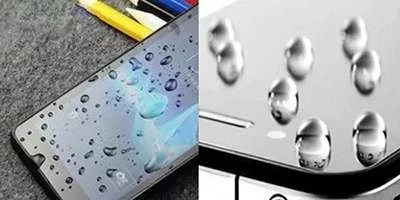
AF coatings are arguably the most user-visible advancement in cover lens treatment. Their goal is to repel oils and water, making fingerprints easier to wipe away.

2. Anti-Fingerprint (AF) & Anti-Smudge (AS) Coatings: Lowering Surface Energy
3. Surface Hardening Processes: Enhancing Scratch and Impact Resistance
To protect the cover lens from mechanical damage, we employ surface hardening techniques that increase the surface hardness and create compressive stress layers.
4. Anti-Reflective (AR) Coatings: Maximizing Optical Transmission
While AG diffuses reflection, AR coatings aim to eliminate it through destructive interference. They are crucial for high-end displays where color fidelity and brightness are paramount.
Integration and Multi-Functional Stack Designs
In advanced touch panel manufacturing, we rarely apply these treatments in isolation. The industry standard, especially for premium devices, is a multi-functional composite coating stack.
A typical high-performance stack might be structured as follows:
This stack synergistically addresses all key requirements: it is highly transparent, minimizes reflections, resists scratches, and repels contaminants. The integration process demands precision cleaning (using ultrasonic cleaning and UV ozone treatment) between steps to ensure perfect adhesion and avoid defects like coating delamination.
Quality Control, Testing, and Emerging Trends
Rigorous quality control is integral to the surface treatment process. We employ a battery of tests:
Looking forward, several emerging trends are shaping the industry:
Conclusion
The surface treatment of the cover lens is a decisive factor in the success of any capacitive touch panel. It transforms a passive piece of glass or plastic into an intelligent, robust, and user-friendly interface. By strategically deploying anti-glare, anti-fingerprint, hardening, and anti-reflective treatments—often in sophisticated multi-layer stacks—manufacturers can dramatically enhance optical clarity, mechanical durability, and interaction quality. As touch interfaces proliferate into new environments, from automotive interiors to industrial IoT controls, the innovation in surface engineering will continue to be a critical frontier, ensuring that the first point of contact between human and machine is seamless, clear, and reliable. Mastering these technologies is not optional; it is essential for delivering the premium performance that defines the modern touchscreen experience